
Enterprise Resource Planning (ERP) software has become the backbone of modern businesses. As organizations expand across multiple locations, manage larger customer bases, and adopt digital transformation strategies, they require software that can centralize operations and provide real-time business insights. Traditional standalone systems often create data silos, making it difficult for decision-makers to gain a complete picture of business performance.

What is Oracle NetSuite ERP?
Oracle NetSuite is a cloud-based Enterprise Resource Planning (ERP) platform that enables businesses to manage core operations through one integrated system. Instead of using separate software for accounting, inventory, payroll, CRM, and reporting, organizations can access all business functions from a centralized dashboard.
Because NetSuite is entirely cloud-based, users can securely access business data from anywhere using desktops, tablets, or mobile devices. This flexibility supports remote teams, international operations, and growing organizations.
Today, thousands of businesses worldwide rely on Oracle NetSuite to streamline operations, improve financial visibility, and support long-term growth.
Why Businesses Choose Oracle NetSuite
Modern businesses generate enormous amounts of operational data every day. Managing this information through disconnected applications often results in duplication, reporting delays, and reduced efficiency.
Oracle NetSuite solves this problem by providing a unified business management platform. Finance teams, sales departments, warehouse managers, executives, and customer service representatives all work from the same real-time database.
This centralized approach improves collaboration, reduces manual processes, and enables faster decision-making throughout the organization.
Core Features of Oracle NetSuite ERP
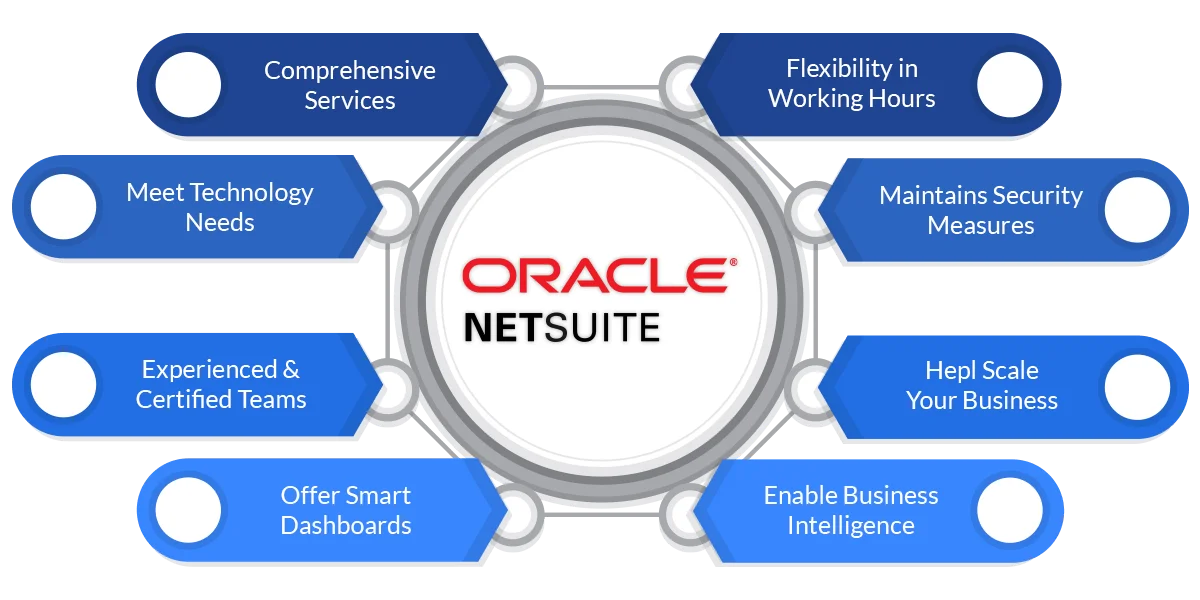
Oracle NetSuite offers a comprehensive suite of integrated business management tools.
Key capabilities include:
- Financial Management
- Cloud Accounting
- Enterprise Resource Planning (ERP)
- Customer Relationship Management (CRM)
- Inventory Management
- Supply Chain Management
- Procurement
- Order Management
- Warehouse Management
These features allow businesses to operate more efficiently while reducing reliance on multiple software solutions.
Financial Management
Financial management is one of Oracle NetSuite’s strongest capabilities.
The platform helps organizations automate accounting processes, manage accounts payable and receivable, reconcile bank transactions, track expenses, and generate financial reports in real time.
Executives gain immediate visibility into cash flow, profitability, and financial performance without waiting for manual reports.
Automated financial workflows also reduce errors and improve reporting accuracy.
Cloud Accounting
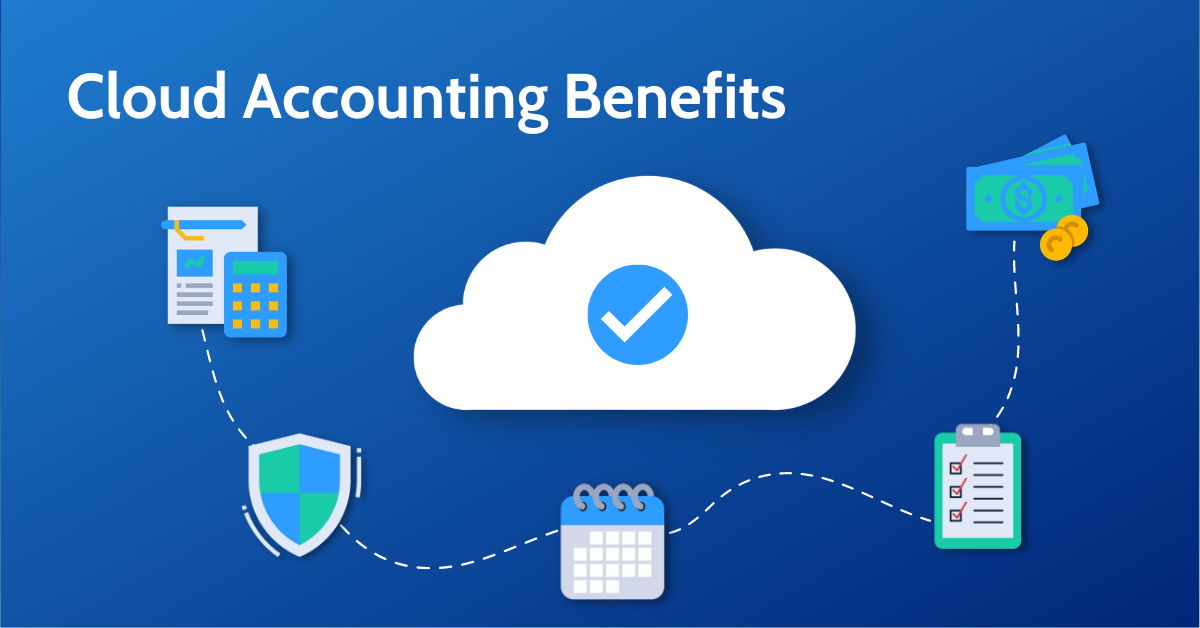
NetSuite’s cloud accounting system simplifies bookkeeping for businesses operating across multiple departments or countries.
Accounting teams can manage general ledger entries, fixed assets, tax calculations, revenue recognition, and multi-currency transactions through one platform.
Because information updates instantly, finance departments always work with accurate and current data.
This improves financial planning while reducing month-end closing times.
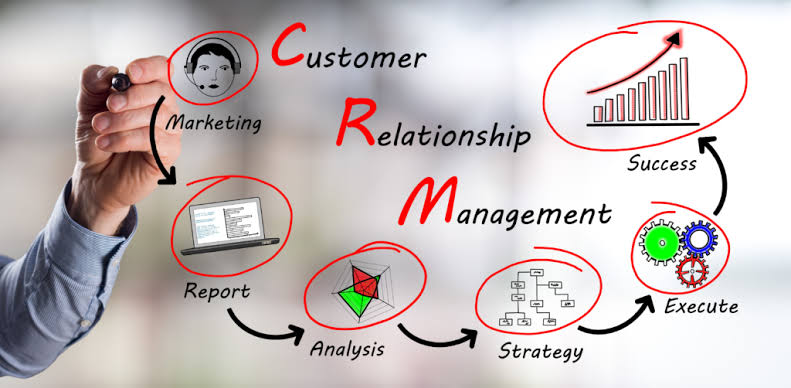
Customer Relationship Management (CRM)
Oracle NetSuite includes a fully integrated CRM system that helps businesses manage leads, sales opportunities, customer communications, marketing campaigns, and customer service.
Sales teams gain complete visibility into customer interactions, allowing them to build stronger relationships and close deals more efficiently.
Since CRM data connects directly with financial and operational information, organizations gain a comprehensive understanding of each customer.

Inventory Management
Inventory control plays a critical role in business profitability.
Oracle NetSuite enables organizations to monitor inventory levels across warehouses, retail locations, and distribution centers in real time.
Businesses can automate stock replenishment, reduce excess inventory, improve demand forecasting, and prevent stock shortages.
These capabilities help lower inventory carrying costs while improving customer satisfaction.

Supply Chain Management
Supply chain disruptions remain a major challenge for businesses in 2026.
Oracle NetSuite helps organizations optimize procurement, supplier management, inventory movement, order fulfillment, and logistics operations.
Real-time supply chain visibility enables businesses to respond quickly to market changes while improving operational efficiency.
The platform also supports global supply chain operations with multi-location inventory management.

AI-Powered Business Intelligence
Artificial intelligence has become an essential component of modern ERP systems.
Oracle NetSuite uses AI and machine learning to analyze business data, identify trends, forecast demand, and provide actionable recommendations.
Executives receive intelligent insights that support budgeting, inventory planning, sales forecasting, and operational improvements.
Instead of relying solely on historical reports, organizations can make proactive business decisions based on predictive analytics.

Workflow Automation
Many business processes involve repetitive manual tasks.
Oracle NetSuite automates approval workflows, invoice processing, purchase orders, reporting, notifications, and financial transactions.
Automation reduces administrative work while improving operational consistency.
Employees can focus on higher-value activities instead of routine data entry.

Business Intelligence and Reporting
Data-driven decision-making has become essential for enterprise growth.
Oracle NetSuite provides customizable dashboards, financial reports, KPI tracking, operational analytics, and executive scorecards.
Managers can monitor sales performance, operational efficiency, inventory levels, customer behavior, and profitability in real time.
These insights support strategic planning and continuous business improvement.
Security and Compliance
Protecting business data remains a top priority for organizations.
Oracle NetSuite includes enterprise-grade security features such as encryption, role-based access controls, audit trails, multi-factor authentication, and automated backups.
The platform also helps businesses meet financial reporting and regulatory compliance requirements through built-in controls and reporting capabilities.
Cloud infrastructure ensures high availability and secure data storage for global organizations.
Integration with Business Applications
Oracle NetSuite integrates with numerous third-party business applications.
Popular integrations include:
- Microsoft 365
- Salesforce
- Shopify
- WooCommerce
- HubSpot
- PayPal
- Stripe
- Oracle Cloud
- Google Workspace
- Microsoft Power BI
These integrations allow organizations to build a connected technology ecosystem without duplicating data.
Industries That Benefit Most
Oracle NetSuite supports businesses across many industries.
It is particularly valuable for:
- Manufacturing
- Wholesale Distribution
- Retail
- E-commerce
- Healthcare
- Professional Services
- Software Companies
- Construction
- Financial Services
- Nonprofit Organizations
Organizations with growing operations often benefit most from NetSuite’s scalability and integrated business management capabilities.
Why Oracle NetSuite Stands Out in 2026
Businesses today require more than traditional ERP software. They need intelligent platforms capable of connecting finance, operations, customer relationships, inventory, and analytics in real time.
Oracle NetSuite delivers this through a cloud-native architecture enhanced with automation, artificial intelligence, and advanced reporting. Its unified approach eliminates information silos and enables every department to work from a single source of truth.
Whether a company is expanding internationally, managing multiple subsidiaries, or optimizing daily operations, NetSuite provides the flexibility and scalability needed to support long-term success.
Conclusion
Oracle NetSuite continues to be one of the most comprehensive cloud ERP solutions for business management in 2026. Its integrated approach to financial management, CRM, inventory control, supply chain operations, business intelligence, and workflow automation enables organizations to streamline processes and make smarter decisions based on real-time data.
With powerful AI capabilities, enterprise-grade security, and a scalable cloud infrastructure, NetSuite is well suited for businesses seeking to improve efficiency, enhance customer experiences, and support future growth. For companies looking to modernize operations through a single, intelligent business management platform, Oracle NetSuite remains one of the strongest ERP solutions available today.